TypeFace Font: Expressive Emoji Dingbats for Crafters
Using Typeface Dingbat Fonts for Emotional Product Packaging
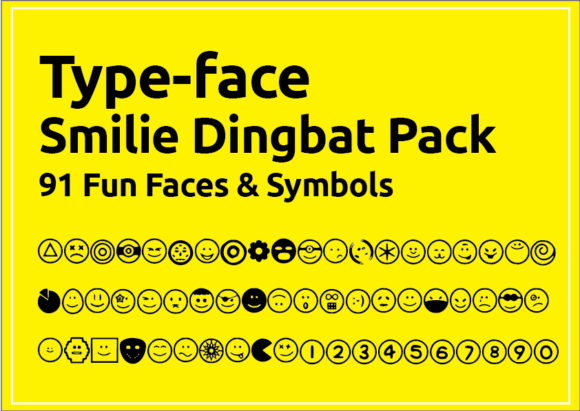
When designing physical products, TypeFace serves as a unique bridge between standard typography and visual storytelling through its collection of expressive Dingbats. As handmade sellers and printable creators, we know that packaging is often the first tangible interaction a customer has with our brand, and utilizing specific Fonts that convey emotion can significantly elevate that unboxing experience. This particular typeface allows you to replace generic clip art with integrated glyphs that feel cohesive with your text, ensuring your candle labels, soap wrappers, or boutique tags maintain a professional yet personal aesthetic. The ability to express feelings like happy, sad, or surprised directly through keystrokes streamlines the design workflow, eliminating the need to hunt for mismatched vector icons when creating product packaging that resonates emotionally with buyers.
Creating Relatable Sticker Designs with Typeface Emoji Glyphs
Sticker makers and planner enthusiasts will find that TypeFace offers a distinct advantage over standard emoji libraries because these Dingbats are designed to match the stylistic weight of accompanying Fonts. When creating functional planner stickers or decorative vinyl decals, consistency is key to perceived quality; a jarring difference between your text font and your icon style can make a design look amateurish. By using this dingbat font, you ensure that a "surprised" face on a reminder sticker or a "happy" glyph on a gratitude journal page shares the same line weight and artistic personality as your lettering. This uniformity is crucial for Cricut and Silhouette users who need clean cut lines; because these symbols are true font characters rather than raster images, they scale infinitely without pixelation and weed easily on adhesive vinyl, making them perfect for small-scale sticker production.
TypeFace Typography for Interactive Wedding Stationery and Invitations
Modern stationery designers are increasingly incorporating TypeFace elements into wedding suites to add personality and guide guest interactions through intuitive Dingbats. While traditional serif and script Fonts handle the formal details, this expressive dingbat collection can be used to create custom response cards, direction signage, or playful table numbers that break up dense text blocks. For example, a "surprised" glyph might indicate an unexpected surprise event or after-party, while "happy" faces can mark kid-friendly activities or photo booth locations on a welcome sign. This approach transforms standard paper goods into interactive experiences, helping couples express their unique relationship dynamic beyond formal wording. From a production standpoint, having these symbols embedded in a font file means you can adjust spacing, size, and color instantly within design software like Illustrator or Canva, ensuring perfect alignment with your invitation typography without managing separate image layers.
Enhancing Digital Printable Wall Art with Typeface Symbols
Creators of digital downloads and printable wall art can leverage TypeFace to add whimsical character to nursery decor, classroom posters, and affirmation prints using versatile Dingbats. In the competitive marketplace of digital Fonts and art, designs that evoke immediate emotional connection tend to perform better, and this typeface provides the exact vocabulary needed to visualize feelings in a minimalist, typographic way. Instead of relying on complex illustrations that may increase file sizes or complicate printing for customers, you can compose entire artworks using just letters and these emotive symbols. A series of "happy," "sad," and "surprised" glyphs arranged in a grid can serve as an emotional regulation chart for children’s rooms or a mood tracker for mental health journals. Because these are vector-based font characters, your customers receive crisp, high-resolution outputs whether they print at home on cardstock or send the file to a professional large-format printer, reducing support tickets regarding blurry artwork.
Optimizing Typeface Readability for Vinyl Cutting and Small Labels
For crafters using cutting machines or printing tiny product labels, testing TypeFace at various sizes is essential to ensure these detailed Dingbats remain legible and weedable alongside body Fonts. Unlike simple geometric shapes, expressive emoji-style glyphs contain interior negative spaces that can tear during weeding if the design is too small or the vinyl quality is low. When using this typeface for jar labels, cosmetic packaging, or return address stamps, always perform a test cut or print proof at the final intended size to verify that facial features do not fill in with ink or fuse together on the cutting mat. If you find details are lost at smaller scales, consider using the dingbats only as accent marks at larger sizes while relying on simpler sans-serif fonts for critical information. This practical attention to technical limitations ensures your finished handmade products look polished and professional, preventing customer disappointment caused by illegible branding elements.
Pairing Typeface with Script and Sans Serif Fonts for Brand Identity
Establishing a cohesive brand identity requires thoughtful pairing of TypeFace with complementary lettering styles, balancing the playfulness of Dingbats against the structure of commercial Fonts. Since this dingbat font carries significant visual weight and personality, it pairs best with clean, neutral typefaces that allow the symbols to shine without competing for attention. For a modern handmade business, try combining these expressive glyphs with a minimalist sans-serif font for product descriptions and pricing, reserving the emoji elements for logos, social media watermarks, or thank-you card headers. Alternatively, pairing them with a flowing handwritten script can enhance the organic, personal feel of artisanal goods like pottery or knitwear. Avoid pairing this typeface with other highly decorative display fonts, as the combination can become visually chaotic and reduce readability. The goal is to use the dingbats as punctuation or emphasis points that reinforce your brand voice rather than overwhelming the customer with excessive ornamentation.
Commercial Licensing and Usage Rights for Typeface in Handmade Products
Before integrating TypeFace into items intended for sale, small business owners must carefully review the licensing terms associated with these Dingbats and Fonts to ensure compliance. Commercial use typically covers physical end products like stickers, shirts, mugs, and printed invitations where the font is rendered as part of a flattened design, but it often excludes selling editable templates or standalone digital assets featuring the glyphs. Understanding this distinction protects your shop from intellectual property disputes and supports the type designer’s livelihood. Additionally, check whether the license permits use in digital products like printable planners or social media templates, as these categories sometimes require separate extended licenses. Keeping accurate records of your font purchases and their permitted uses is a best practice for any serious crafter or seller, ensuring that your creative expression remains both legally sound and ethically respectful of fellow creators in the typography community.