Random Luck Font for Edgy Handmade Product Design
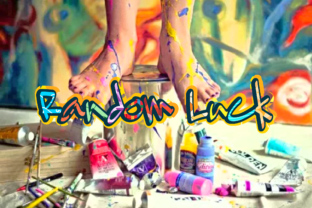
Sitting at my workbench with a fresh stack of matte vinyl labels and a new candle collection to brand, I realized my usual neat scripts felt too safe for this particular line. I needed something with texture, attitude, and organic movement, which is exactly when I loaded Random Luck into my design software. As a unique edgy handwritten font, it immediately transformed the plain white label into something that looked authentically hand-lettered rather than digitally typed. For makers and sellers who want their packaging to feel personal yet professionally distinct, finding the right typography is often the difference between a product that blends in and one that demands attention on a crowded shelf or digital marketplace.
Styling Candle Labels and Packaging with Random Luck
When designing physical merchandise like candles, soaps, or boutique packaging, Random Luck serves as a powerful tool within the broader category of Script Handwritten typefaces because it mimics the natural imperfections of real ink on paper. In my recent test run for a soy candle line, I used this typeface for the scent names—"Smoked Vanilla" and "Midnight Cedar"—and the irregular baseline gave the labels an artisanal quality that clean, geometric fonts simply cannot achieve. The edgy nature of the letterforms suggests a hands-on creation process, reinforcing the handmade value proposition to customers browsing through Fonts options for their own brands. It is crucial to remember that while this font shines as a display element, it works best when paired with a simple sans serif for mandatory safety text and ingredients, ensuring regulatory compliance without sacrificing aesthetic cohesion.
Readability Tips for Small Product Tags and Stickers
Using Random Luck on small surfaces like price tags, jar lids, or sticker sheets requires careful attention to scale and spacing to maintain legibility. Because this unique edgy handwritten font has varying stroke widths and expressive swashes, shrinking it below 10pt can cause the thinner lines to disappear during printing or cutting. When I prepare die-cut stickers for my shop, I keep the primary text large and bold, reserving the intricate details of the font for larger formats. For Cricut or Silhouette users, testing a cut file on scrap material is essential; the organic edges of Script Handwritten styles can sometimes be tricky for blades to navigate at miniature sizes. Adjusting the tracking slightly wider than default often helps preserve the integrity of each character on tiny product labels while maintaining that signature raw, artistic vibe.
Creating Wedding Stationery and Invitations with Random Luck
For stationery designers seeking alternatives to traditional calligraphy, Random Luck offers a modern, bohemian twist perfect for contemporary wedding suites and event branding. Unlike formal copperplate scripts, this typeface brings a relaxed, intimate energy to invitation cards, welcome signs, and place cards that resonates with couples wanting a less stuffy celebration. I recently mocked up a wedding welcome board using this font for the couple’s names, and the textured strokes created a beautiful contrast against a smooth acrylic backdrop. Within the vast library of available Fonts, this specific style bridges the gap between elegant and alternative, making it ideal for elopement announcements, rehearsal dinner menus, and thank-you notes where personality matters more than perfection. Always check the commercial licensing if you are designing these items for clients to ensure your usage aligns with the font creator's terms.
Pairing Edgy Scripts with Clean Serif Fonts for Balance
To prevent wedding designs from looking chaotic, I always pair Random Luck with a structured serif or minimalist sans serif to anchor the layout. The inherent wildness of this unique edgy handwritten font needs a stable counterpart; for example, using a classic serif for the date, time, and venue details allows the script to take center stage for the names and headers without overwhelming the reader. This hierarchy is vital in editorial design and stationery, guiding the guest’s eye naturally through the information. When creating printable templates for Etsy or Creative Market, providing pre-set font pairings saves buyers time and showcases the versatility of Script Handwritten assets. The goal is to create a harmonious visual rhythm where the edgy script feels intentional and curated, not accidental or messy.
Designing Printable Wall Art Using Random Luck Typography
Digital download creators know that typography-driven wall art relies entirely on the emotional impact of the chosen typeface, making Random Luck a standout choice for motivational quotes and boho decor prints. When I designed a series of "Growth Mindset" printables, the raw texture of this font added a layer of vulnerability and authenticity that polished digital scripts lacked. Buyers searching for Fonts to create their own art or purchasing finished prints are drawn to this aesthetic because it feels human in an increasingly digital world. For high-resolution printing, ensure you are working at 300 DPI and utilizing the OpenType features if included, such as alternate characters or ligatures, to avoid repetitive letter shapes in longer phrases. This attention to typographic detail elevates a simple quote into a premium piece of home decor.
Optimizing Digital Mockups for Font Listings and Social Media
Showcasing Random Luck effectively in listing images and social media posts requires mockups that highlight its tactile, edgy characteristics. Instead of placing the text on a flat white background, I prefer using textured paper overlays, crumpled linen, or dark moody backgrounds that emphasize the contrast and grain of this unique edgy handwritten font. Potential customers need to visualize how the Script Handwritten style translates to real-world applications, so showing it embroidered on a tote bag, stamped on kraft paper, or neon-lit on a sign builds immediate desire. When marketing Fonts to other creatives, demonstrating versatility across different mediums proves the asset's value. Remember to include close-up shots that reveal the fine details of the brush strokes or pen texture, as these nuances are often the deciding factor for designers comparing multiple script options.
Applying Random Luck to Apparel and Merchandise Design
Translating delicate typography onto fabric presents unique challenges, but Random Luck adapts surprisingly well to screen printing, heat transfer vinyl, and direct-to-garment methods. I’ve used this font for limited-edition studio tees and canvas tote bags, finding that its bold, expressive forms hold up better than thin, wispy scripts during the production process. The edgy aesthetic aligns perfectly with streetwear, indie brands, and creative merch, distinguishing these items from generic retail offerings. When preparing files for apparel, converting the text to outlines prevents any missing font issues at the print shop, though keeping an editable version is smart for future adjustments. Understanding the limitations of your production method is key; for instance, DTG printing captures the subtle gradients of Script Handwritten styles better than vinyl, which may require simplifying the design to ensure weedability and durability.
Checking Licensing and File Formats for Commercial Craft Sales
Before selling any product featuring Random Luck, verifying the specific license agreement is non-negotiable for protecting your business and respecting the type designer. Some licenses cover unlimited physical products but restrict digital templates or POD (Print on Demand) services, so reading the fine print saves future headaches. Additionally, confirming that you have access to OTF, TTF, and WOFF files ensures compatibility across various design platforms, from Adobe Illustrator to Canva and cutting machine software. Many premium Fonts include bonus glyphs or multilingual support that can expand your market reach to non-English speaking customers. Treating typography as a licensed asset rather than a free commodity reflects professional integrity and ensures that this unique edgy handwritten font remains a sustainable resource for the maker community. By respecting these guidelines, we foster a healthy ecosystem where creators can continue developing distinctive tools like Random Luck for our collective creative journeys.